
How to pose for a photo you'll actually want to keep
Nobody looks natural on command. A few small physical tricks — and one change of approach — fix almost every awkward family photo.
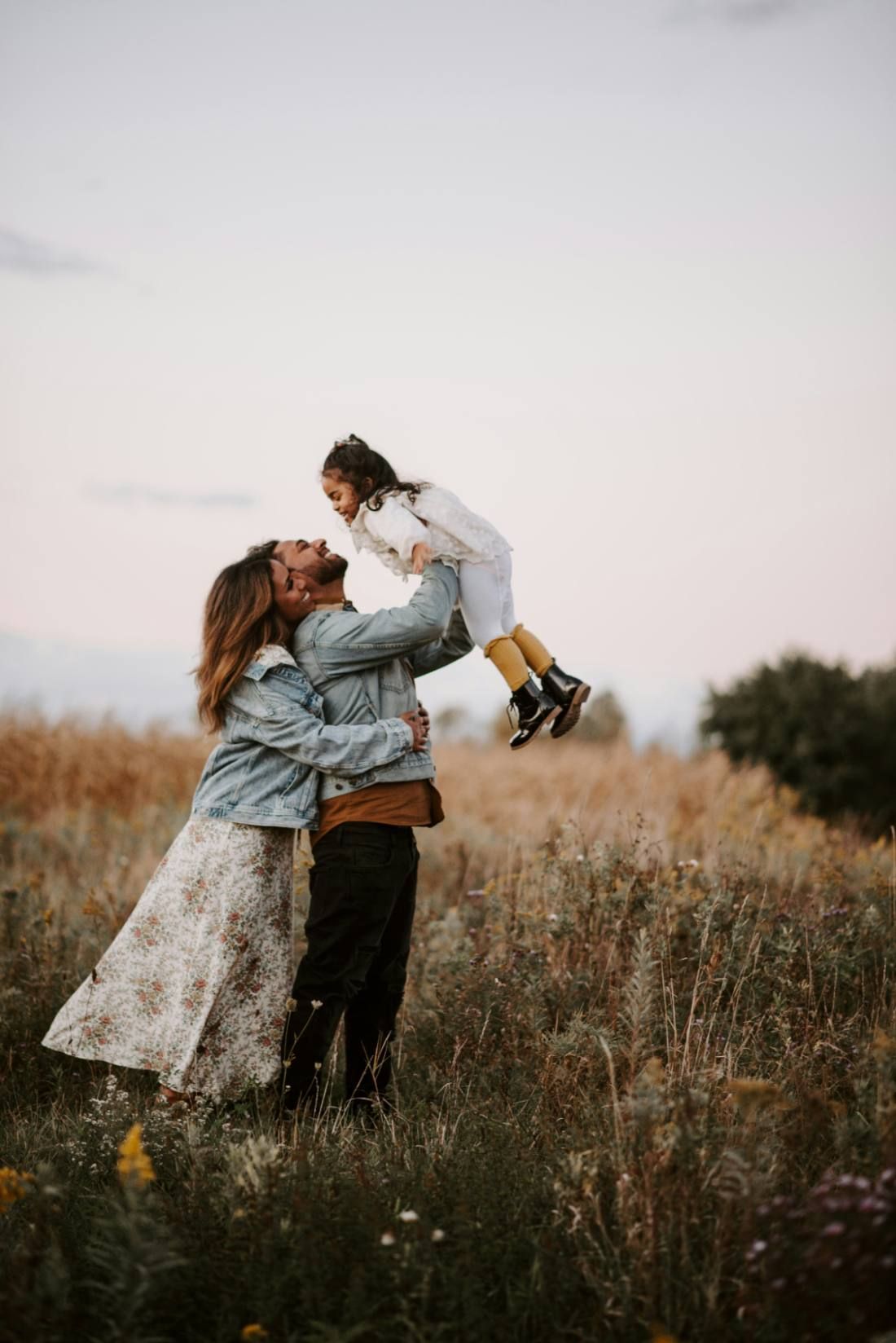
Why do people look so awkward when a camera comes out?
There's a particular face people make when a camera comes out. The mouth does something roughly smile-shaped, the eyes go slightly panicked, the shoulders climb towards the ears. Everyone has this face. Everyone hates it.
The instinct is to fix it with instructions — relax, be natural, act like I'm not here — which is the least helpful thing anyone has ever said to a person being photographed. You cannot relax on command. But you can be given something to do, and that turns out to be the whole trick.
What is the core idea — doing something vs. posing?
A pose asks you to hold a shape. An action asks you to do a thing. Actions produce real faces; shapes produce that face.
So instead of "stand there and smile", try: walk towards me holding hands. Whisper something to her. Lift him up. Pick a flower. Look at each other, then look at me. Every one of those has a beginning and an end, and somewhere in the middle is the photo.
What are the six small physical fixes photographers always use?
Push your chin forward and down. It feels deeply wrong and looks completely right. Extending the chin away from the neck defines the jawline and removes the soft shadow under it. This one fix improves more photos than anything else on this list.
Put weight on your back foot. Standing square to the camera with weight evenly split reads as stiff. Shift your weight onto one leg — usually the back one — and let the other bend slightly. Everything above it relaxes automatically.
Never let your arms touch your body. Arms pressed flat against your sides flatten and widen. A hand on a hip, in a pocket, holding a drink, on someone's shoulder — any small gap makes an enormous difference.
Turn slightly away, then look back. Facing the lens head-on is the most unflattering angle there is. Rotate your body about 30–45° away from the camera and bring your face back towards it. You instantly look narrower and more considered.
Do something with your hands. Hands are where awkwardness goes to live. Give them a job: hold a coffee, adjust a collar, touch your own hair, hold a child, hold each other. Anything beats letting them hang.
Breathe out just before the shutter. People hold their breath when a camera is raised, and it shows in the shoulders and jaw. A slow exhale on the count of three drops the shoulders and softens the whole face.
How do you get a real smile instead of a cheese-smile?
"Say cheese" produces a mouth shape, not a smile. Real smiles engage the eyes, and the eyes only engage when something is genuinely amusing.
What actually works: ask a question and shoot the answer. What did you have for breakfast? Who's the worst driver here? The last one has never once failed with a family. Or ask people to laugh deliberately, badly, on purpose — fake laughter is so absurd it becomes real within about two seconds, and the real one is the frame you keep.
With small children, forget instructions entirely. Photograph them doing something they were already going to do, from slightly further away than feels right.
What two rules matter most for group photos?
Stagger the heights. A single straight row of standing adults is the least interesting arrangement possible. Sit some people, kneel some, keep some standing. Uneven head heights read as a group; a level line reads as a school photo.
Close the gaps. People naturally leave polite space between themselves, and in a photograph that space looks like distance. Ask everyone to move in until it feels slightly too close — that's roughly correct.
The photo you'll care about in fifteen years is almost never the one where everyone looked best. It's the one where someone was mid-laugh, or a child had clearly just been crying, or your dad was doing that thing with his eyebrows. Take the shot slightly before people are ready, and again slightly after they think you've finished. Those are the ones that end up in the book.
More from the journal
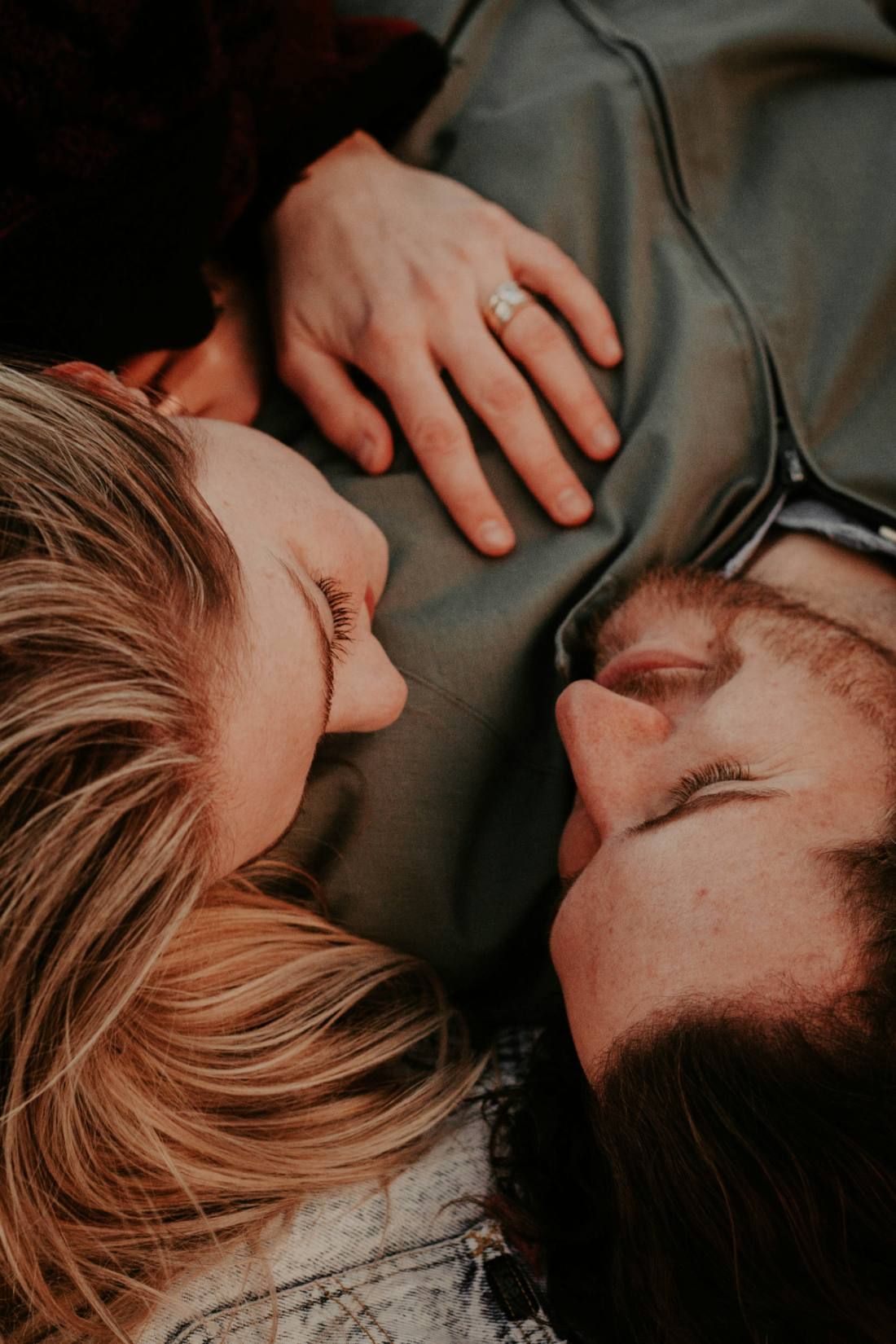
What makes a photo book still worth opening in ten years
The books people keep have less to do with photo quality than you'd think. Three things matter more.
Read article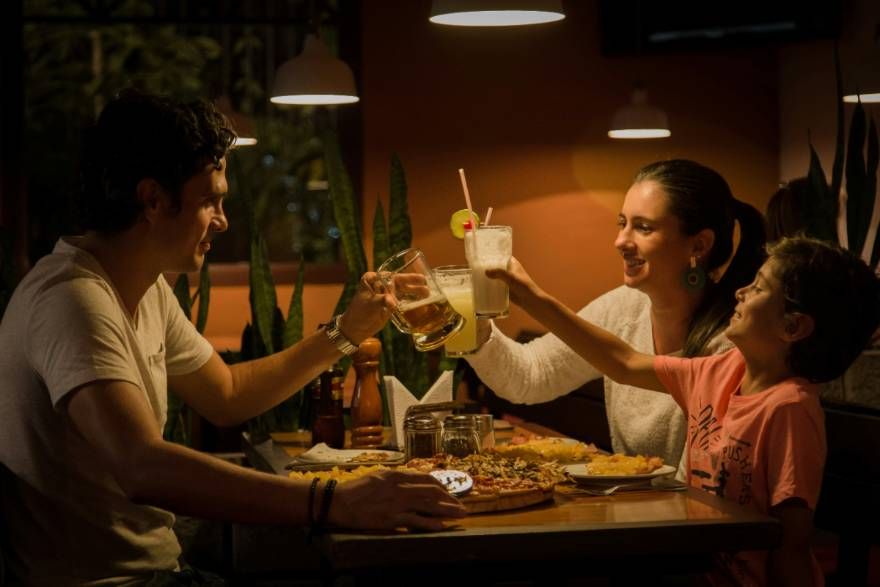
Why your camera roll makes you forget more, not less
Photographing everything can quietly weaken the memory it was meant to protect. What to do instead.
Read article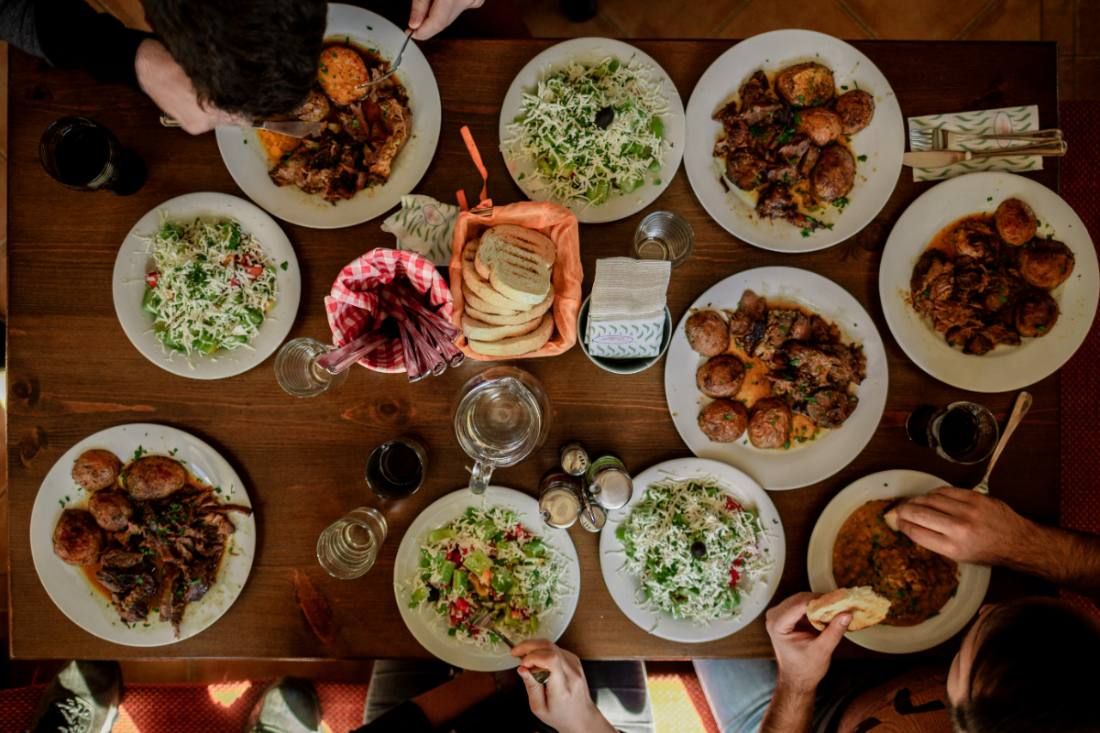
A4, square or layflat? Choosing the right photo book format
What each size does well, when the fold matters, and which one suits the story you're telling.
Read article